Invisalign vs. Typical Dental braces: Which Choice Is Right for You?
When considering orthodontic therapy, the selection between Invisalign and standard braces provides several vital elements that merit careful examination. Invisalign supplies a very discreet alternative with removable aligners, while traditional dental braces supply a more visible yet effective remedy for serious imbalance. Each option includes distinct benefits and disadvantages connected to aesthetics, convenience, therapy period, and expense. Comprehending these subtleties is important for making an educated decision that straightens with your individual choices and way of life. The concern stays: which option will best meet your orthodontic requirements and assumptions?
Overview of Treatment Alternatives
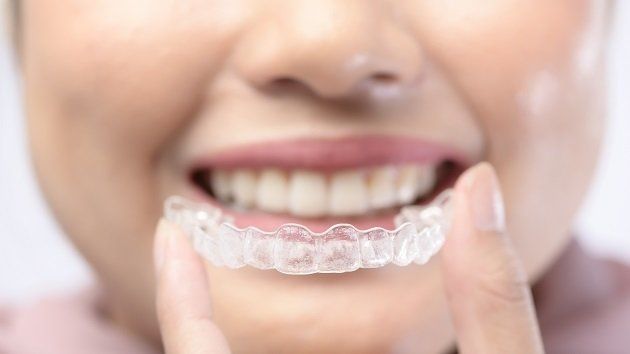
In comparison, conventional dental braces contain metal brackets and cords that are adhered to the teeth. This approach uses constant stress in time to attain alignment. While effective for complicated orthodontic concerns, standard dental braces require normal brows through for modifications and can posture obstacles in maintaining dental health as a result of the trouble of cleaning around brackets and cords.
Both choices have their benefits, and the choice commonly depends upon specific dental conditions, lifestyle choices, and person conformity. Inevitably, speaking with an orthodontic professional is crucial for determining the most ideal treatment plan customized to individual demands. Understanding the nuances of each choice can dramatically affect the total success of orthodontic treatment.
Aesthetic Considerations
A substantial element affecting the option between Invisalign and conventional dental braces is the visual appeal each therapy supplies. Invisalign aligners are crafted from clear plastic, making them virtually invisible when put on. This very discreet look is particularly appealing to teens and adults that might really feel awkward regarding their orthodontic treatment. The capacity to preserve an all-natural smile throughout the alignment procedure can significantly improve the client's self-confidence in specialist and social setups.
In contrast, traditional dental braces include metal braces and cables, which can be much more obvious. While innovations in orthodontic modern technology have caused the development of smaller sized brackets and tinted elastics, standard dental braces still keep an even more obvious account. For some individuals, the visibility of dental braces may prevent them from seeking essential treatment.
Ultimately, the choice in between Invisalign and typical dental braces may depend upon personal choices regarding aesthetics. Clients who prioritize discretion typically lean toward Invisalign, while those who are less worried concerning visibility may go with traditional braces. Understanding the visual effects of each alternative is critical for making a notified choice that aligns with one's way of living and preferences.
Comfort and Convenience

In regards to ease, Invisalign aligners are removable, allowing individuals to enjoy their favored foods without limitation and keep optimum dental hygiene. Brushing and flossing are streamlined, as the aligners can be click this obtained during these regimens, whereas typical dental braces need careful steering around cables and braces.
In addition, Invisalign's dynamic system enables fewer orthodontic check outs. Patients typically receive several sets of aligners simultaneously, which can streamline the treatment process and lower time spent in the orthodontist's chair. In comparison, conventional dental braces demand routine adjustments, making them less practical for those with hectic routines. Invisalign. Generally, the comfort and comfort of Invisalign make it an enticing selection for several people looking for orthodontic treatment.
Therapy Duration and Effectiveness
While both Invisalign and traditional dental braces are efficient in remedying dental imbalances, the period of therapy can differ significantly between both choices. Commonly, Invisalign therapy can take anywhere from 12 to 18 months, relying on the intricacy of the case. The clear aligners work by gradually shifting teeth right into their preferred placements, and normal follow-ups with an orthodontist help guarantee development continues to be on track.
In contrast, standard dental braces commonly need a longer commitment, normally ranging from 18 months to 3 years. This results from their fixed nature and the usage of cables and brackets, which can be extra effective for complicated cases and serious imbalances (Invisalign). The treatment performance of typical braces is well-documented, as they enable accurate changes click over here now and better control over tooth activity
Inevitably, the option in between Invisalign and standard braces may rest on both the awaited therapy period and the details dental concerns handy. Consulting with an orthodontist is essential, as they can offer customized referrals based upon individual demands, ensuring the chosen method lines up with wanted end results and timeframes.
Expense Comparison and Insurance Policy Options
Price plays a substantial role in the decision-making process for individuals taking into consideration orthodontic therapy, whether choosing for Invisalign or standard dental braces. Typically, the price of Invisalign varieties from $3,000 to $8,000, while typical braces generally cost between $2,000 and $6,000. Elements affecting these costs consist of the intricacy of the case, the duration of treatment, and geographical place.
Several dental insurance coverage strategies supply partial protection for orthodontic therapies, however the specifics can differ widely. Normally, typical braces might be a lot more regularly covered by insurance coverage strategies compared to Invisalign, which some insurers categorize as an aesthetic procedure.
In addition, a number of orthodontic practices provide adaptable layaway plan, making both therapy alternatives extra accessible. Clients must make inquiries about possible financing choices and price cuts for ahead of time settlements. Examining the complete click here to read expense, including insurance advantages and payment plans, is necessary for making an educated decision that aligns with both visual preferences and budget plan considerations.
Final Thought
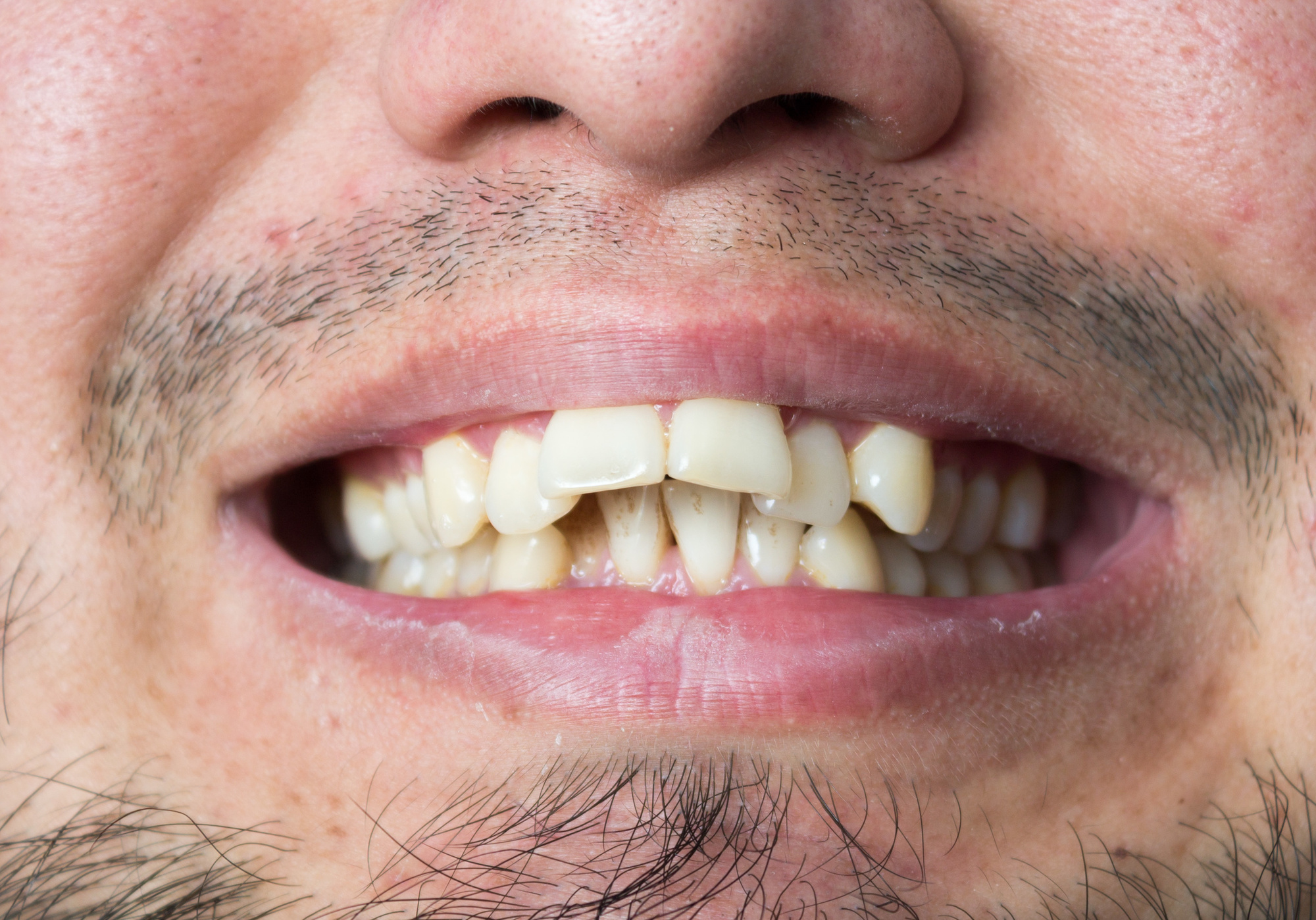
In recap, the option in between Invisalign and typical braces rests on numerous aspects, consisting of aesthetic choices, comfort, therapy duration, and price. Invisalign uses a discreet, removable choice that assists in oral hygiene and dietary adaptability, while conventional braces may be preferable for complicated dental problems and commonly come at a reduced rate factor. Inevitably, examination with an orthodontist is necessary to assess specific scenarios and identify one of the most suitable treatment option for attaining optimal dental positioning.
When taking into consideration orthodontic therapy, the selection in between Invisalign and conventional braces offers a number of essential factors that warrant cautious analysis.Contrasting Invisalign and standard braces exposes distinctive therapy alternatives for orthodontic correction.While both Invisalign and standard dental braces are reliable in fixing dental imbalances, the duration of therapy can differ substantially between the two alternatives.Expense plays a considerable function in the decision-making procedure for people considering orthodontic therapy, whether choosing for Invisalign or traditional braces.In summary, the choice in between Invisalign and standard braces hinges on numerous variables, consisting of aesthetic choices, comfort, treatment duration, and expense.